Easy Potatoes Au Gratin – Creamy Comfort Food
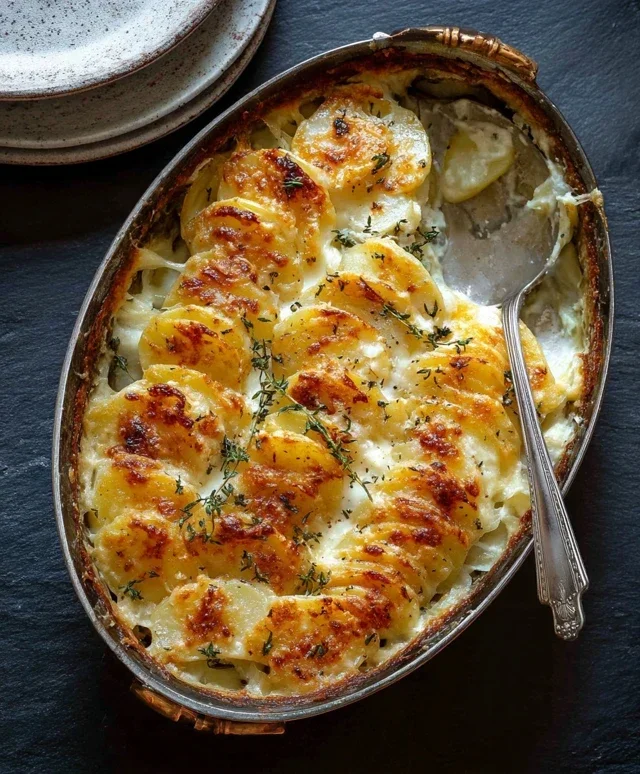
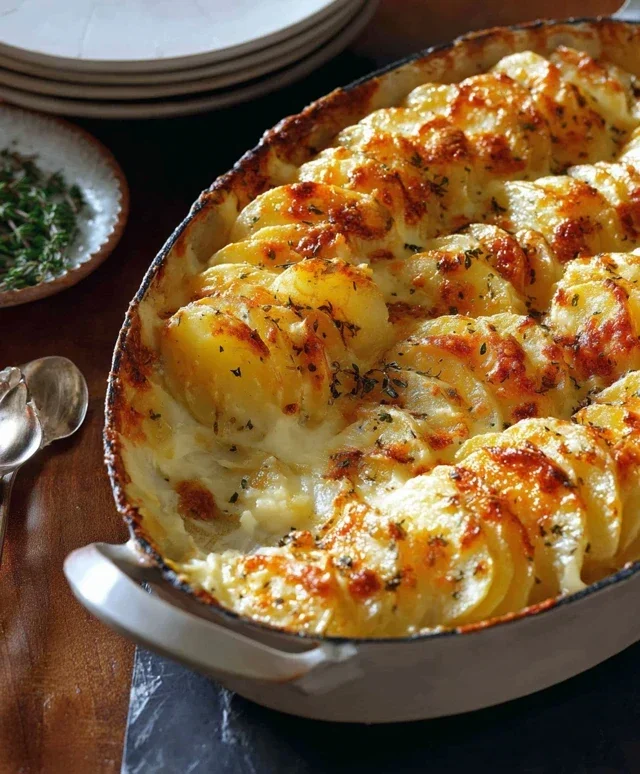
Potatoes au gratin. Just the mention of those words can conjure up visions of creamy, cheesy indulgence. Who doesn’t adore a truly spectacular potatoes au gratin? It’s a dish that speaks of comfort, celebration, and pure culinary happiness. We all have our cherished memories associated with this classic, whether it was a holiday feast, a special Sunday dinner, or a cozy night in. What truly sets potatoes au gratin apart is its magical transformation. Thinly sliced potatoes, bathed in a rich, velvety sauce, and baked until tender and golden brown, then crowned with a glorious, bubbling crust of cheese – it’s a symphony of textures and flavors that’s simply irresistible. This isn’t just a side dish; it’s a star in its own right, capable of elevating any meal from ordinary to extraordinary. Today, we’re going to unlock the secrets to creating your own perfect potatoes au gratin, a dish that will undoubtedly become a beloved staple in your kitchen.
Potatoes Au Gratin: A Rich and Creamy Classic
There are few things more comforting than a bubbling dish of Potatoes Au Gratin. The creamy sauce, the tender potatoes, and the crispy, golden-brown topping – it’s a symphony of textures and flavors that always feels like a special occasion. This recipe, using simple, high-quality ingredients, delivers that classic, indulgent experience that will have everyone asking for seconds. It’s the perfect side dish for a holiday feast, a Sunday roast, or even just a cozy weeknight meal. Let’s dive in and create some potato perfection!
Ingredients:
Cooking Instructions:
Preparing the Potatoes and Baking Dish
1. The first step to a magnificent Potatoes Au Gratin is preparing our star ingredient: the potatoes. We’ll begin extract by peeling the russet potatoes. Russets are ideal here because their starch content helps create that wonderfully creamy texture. Once peeled, we need to slice them thinly and uniformly. A mandoline slicer is your best friend for this task, ensuring each slice is about 1/8-inch thick. This evenness is crucial for even cooking. If you don’t have a mandoline, a very sharp knife and a steady hand will do the trick. Aim for consistent thickness, as this will prevent some potatoes from becoming mushy while others remain undercooked. After slicing, I like to rinse the potato slices under cold water. This helps to remove excess starch, which can sometimes make the gratin a bit gummy. Pat them thoroughly dry with paper towels afterward; we want the cream to coat the potatoes, not be diluted by water. While we’re at it, let’s get our baking dish ready. Take about 1 tablespoon of the softened unsalted butter and generously grease a 9×13 inch baking dish. This not only prevents sticking but also adds a subtle buttery richness to the bottom layer of our gratin.
Building the Creamy Sauce
2. Now, let’s create the luscious sauce that will bind our potatoes together. In a medium saucepan, combine the 1 cup of heavy cream with the 3 minced garlic cloves. We’re going to gently heat this mixture over medium-low heat. We don’t want to boil it, just warm it through and allow the garlic to infuse its flavor into the cream. Stirring occasionally will help distribute the heat. As it warms, add about half of our grated Parmesan cheese (3 tablespoons) to the cream mixture. Stir until the Parmesan is mostly melted and incorporated into the cream. Season this creamy base generously with salt and freshly ground black pepper. Taste it at this stage – the sauce should be well-seasoned because it will flavor all the potatoes. Remember, the potatoes themselves don’t have much flavor on their own, so the sauce is key! Let this sauce simmer very gently for about 5 minutes, allowing the flavors to meld. Remove it from the heat just before you’re ready to assemble the gratin.
Layering for Perfection
3. With our potatoes prepped and our sauce ready, it’s time to assemble the gratin. This is where the magic really begin extracts to happen. We’re going to layer the thinly sliced potatoes directly into our buttered baking dish. Arrange the potato slices in overlapping rows, creating a beautiful fan-like effect. Don’t overthink it; just try to get them in there as evenly as possible. I usually start with one layer, then pour some of the warm cream sauce over it, ensuring it seeps down between the slices. Then, I’ll add another layer of potatoes, and continue this process until all the potatoes are in the dish. You might have 3 to 4 layers, depending on the size of your potatoes and dish. As you layer, sprinkle some of the shredded white cheddar cheese and a little more of the remaining grated Parmesan cheese between the layers. This ensures pockets of cheesy goodness throughout the entire gratin. Don’t be shy with the cheese! It’s what gives the gratin its irresistible golden crust.
The Final Touches and Baking
4. Once all the potatoes are layered and the cheeses are distributed, it’s time for the final flourish. Pour any remaining warm cream sauce evenly over the top layer of potatoes. Ensure it gets down into the nooks and crannies. Now, take the remaining 3 tablespoons of grated Parmesan cheese and sprinkle it evenly over the entire surface. This will form the glorious, crispy, golden-brown topping that we all love. Finally, dot the top of the gratin with the remaining 3 tablespoons of softened unsalted butter. These little pats of butter will melt as the gratin bakes, contributing to that beautiful golden color and rich flavor on top. We’re going to bake this in a preheated oven at 375°F (190°C).
Baking to Golden Brown Bliss
5. Pop that beautifully assembled dish into your preheated oven. The baking time will vary, but generally, it will take between 45 minutes to 1 hour. You’ll know it’s ready when the top is a beautiful golden brown and bubbly, and a knife inserted into the center of the gratin slides easily through the potatoes, indicating they are tender. If the top starts to brown too quickly before the potatoes are cooked through, you can loosely tent the dish with aluminum foil. This is a common trick to prevent premature browning while allowing the inside to cook. Once it’s done, I like to let the Potatoes Au Gratin rest for about 10-15 minutes before serving. This allows the sauce to set slightly, making it easier to serve and preventing it from being too runny. The aroma filling your kitchen will be absolutely divine, a testament to the simple yet profound deliciousness you’ve created. Serve it hot, and watch as it disappears!
Conclusion:
There you have it – your guide to creating a truly delightful Potatoes Au Gratin! This classic dish, with its creamy, cheesy goodness and perfectly tender potatoes, is an absolute winner for any occasion. It’s a comforting side dish that never fails to impress, offering a wonderfully rich and satisfying flavor profile that complements a wide array of main courses. I hope you feel inspired to give this Potatoes Au Gratin recipe a try in your own kitchen. Don’t be afraid to experiment; the beauty of this dish lies in its versatility.
Serving this glorious potatoes au gratin alongside roasted meats, grilled poultry, or even as the star of a vegetarian feast will elevate your meal. For variations, consider adding a pinch of nutmeg to the cream, a layer of caramelized onions, or even some crispy beef bacon bits for an extra layer of indulgence. You can also swap out Gruyère for cheddar, Parmesan, or a blend for a different cheesy dimension.
I truly encourage you to dive in and create this culinary masterpiece. It’s a journey of simple ingredients transforming into something truly extraordinary. Enjoy every delicious, cheesy bite!
Frequently Asked Questions:
Can I make Potatoes Au Gratin ahead of time?
Yes, absolutely! You can assemble the Potatoes Au Gratin up to a day in advance. Cover it tightly and refrigerate. When you’re ready to bake, allow it to sit at room temperature for about 30 minutes before placing it in the oven. You may need to add a few extra minutes to the baking time to ensure it’s heated through.
What kind of potatoes are best for Au Gratin?
Starchy potatoes like Russets or Yukon Golds are ideal for Potatoes Au Gratin. Their texture breaks down beautifully, creating a creamy sauce as they bake. Waxy potatoes might hold their shape too much and result in a less cohesive dish.
How can I make my Potatoes Au Gratin crispier on top?
To achieve a wonderfully crispy topping, ensure you have a generous layer of cheese, especially Parmesan or Gruyère. You can also place the dish under the broiler for the last few minutes of baking, keeping a close eye on it to prevent burning.
Potatoes Au Gratin
A classic and creamy Potatoes Au Gratin, featuring thinly sliced potatoes baked in a rich cheese sauce.
Ingredients
-
4 tablespoons softened unsalted butter, divided
-
3 pounds (4 or 5 medium) russet potatoes, peeled and thinly sliced
-
1 cup heavy cream
-
1/2 cup shredded white cheddar cheese
-
6 tablespoons grated Parmesan cheese, divided
-
3 garlic cloves, minced
-
salt to taste
-
black pepper to taste
Instructions
-
Step 1
Preheat oven to 375°F (190°C). Butter a 2-quart baking dish with 1 tablespoon of the softened butter. -
Step 2
Arrange the thinly sliced potatoes in the prepared baking dish, layering them evenly. -
Step 3
In a medium bowl, whisk together the heavy cream, minced garlic, salt, and pepper. -
Step 4
Pour the cream mixture evenly over the potatoes. Sprinkle the shredded white cheddar cheese and 3 tablespoons of the grated Parmesan cheese over the top. -
Step 5
Cover the baking dish tightly with aluminum foil and bake for 30 minutes. -
Step 6
Remove the foil, sprinkle the remaining 3 tablespoons of grated Parmesan cheese over the top, and dot with the remaining 3 tablespoons of softened butter. Bake for another 15-20 minutes, or until the potatoes are tender and the top is golden brown and bubbly. -
Step 7
Let stand for 5-10 minutes before serving.
Important Information
Nutrition Facts (Per Serving)
It is important to consider this information as approximate and not to use it as definitive health advice.
Allergy Information
Please check ingredients for potential allergens and consult a health professional if in doubt.