Easy Miso Soup Recipe – Quick & Delicious Flavor
Miso soup recipe—ah, the comforting embrace of a steaming bowl of this Japanese classic! It’s more than just a starter; it’s a ritual, a moment of calm in our busy lives. We love miso soup for its incredible simplicity, yet profound depth of flavor. The savory, umami-rich broth, a harmonious blend of fermented soybeans, is incredibly versatile and endlessly adaptable. What truly makes this miso soup recipe special is its ability to feel both grounding and invigorating. It’s the perfect antidote to a chilly evening, a gentle wake-up call on a lazy weekend morning, or the ideal palate cleanser before a more elaborate meal. Mastering this foundational miso soup recipe will unlock a world of delicious possibilities, warming you from the inside out with every spoonful.
Miso Soup Recipe
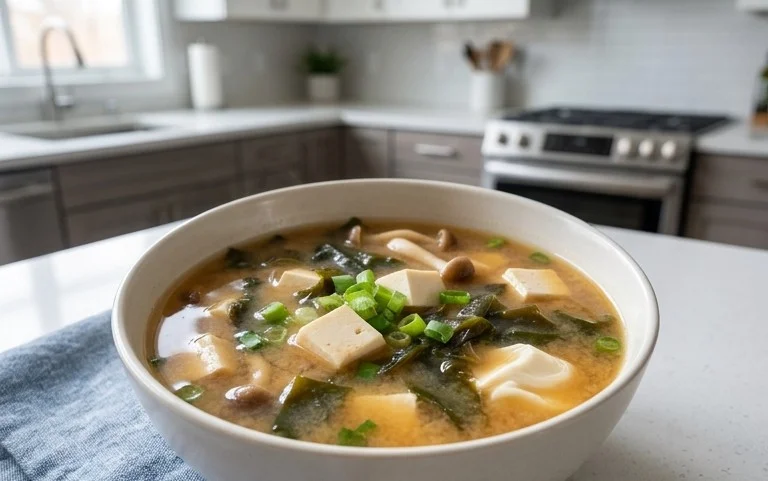
There’s something incredibly comforting and soul-warming about a steaming bowl of miso soup. It’s a cornerstone of Japanese cuisine, a simple yet profound dish that can be enjoyed any time of day. Whether you’re looking for a light starter to a meal, a quick and nourishing lunch, or a soothing end to your evening, this miso soup recipe is your go-to. It’s incredibly easy to make, requiring just a few key ingredients and a few minutes of your time. The beauty of miso soup lies in its adaptability, but for this foundational recipe, we’ll focus on the classic elements that make it so beloved.
One of the secrets to truly delicious miso soup is good quality dashi. Dashi is a Japanese stock that forms the umami base of many dishes, and while you can buy instant dashi granules, making your own from scratch, or using good quality kombu and katsuobushi, will elevate your soup to another level. However, for convenience and to keep this recipe accessible, we’ll assume you’re using pre-made dashi or dashi granules. The process is quick, and the result is a surprisingly complex and satisfying flavor.
Ingredients:
Cooking Instructions
Let’s get started on crafting this delicious and restorative miso soup. It’s a straightforward process that anyone can master, and you’ll be enjoying a taste of Japan in no time.
Prepare the Dashi and Seaweed: Begin extract by gently heating the 2½ cups of dashi in a medium saucepan over medium heat. We don’t want to bring it to a rolling boil at this stage, just a gentle simmer. While the dashi is warming up, take your 1 heaping tablespoon of dried seaweed and place it in a small bowl. Add a little bit of warm water to the seaweed and let it rehydrate. This will take just a few minutes, and you’ll see the seaweed expand and soften. Once rehydrated, drain any excess water from the seaweed. This step is crucial for both texture and flavor; unhydrated seaweed can be unpleasant, and rehydrating it ensures it softens beautifully in the soup.
Add the Tofu and Seaweed: Once the dashi is simmering gently, carefully add the rehydrated seaweed to the pot. Then, gently introduce the 4 oz of silken tofu, which you’ve already cut into small, bite-sized pieces. Be gentle with the silken tofu as it’s quite delicate. Stir everything together gently to combine. Allow the mixture to simmer for another 2-3 minutes. This brief simmering time allows the flavors of the dashi, seaweed, and tofu to meld together, and it ensures the tofu is heated through without breaking apart too much.
Incorporate the Miso Paste: This is perhaps the most critical step in making miso soup. You never want to boil miso paste, as this can destroy its delicate flavor and beneficial enzymes. Instead, in a separate small bowl, add your 2-2½ tablespoons of miso paste. Ladle in about ½ cup of the warm dashi broth from the saucepan. Using a whisk or a fork, stir the miso paste into the warm broth until it’s completely dissolved and you have a smooth, lump-free mixture. This technique, called ‘tempering,’ ensures the miso disperses evenly throughout the soup without clumping. Start with 2 tablespoons and add more to taste later if you prefer a stronger miso flavor.
Combine and Heat Gently: Now, carefully pour the dissolved miso mixture back into the saucepan with the rest of the dashi, tofu, and seaweed. Stir everything gently to incorporate the miso. At this point, you want to heat the soup very gently. Do not let it come to a boil. Just heat it until it’s steaming hot. You should see tiny bubbles forming around the edges of the pot, but avoid a vigorous simmer or boil. This gentle heating is essential for preserving the complex flavors and nutritional benefits of the miso. Taste the soup at this point and adjust the miso if you feel it needs a stronger flavor.
Serve and Garnish: Once the miso soup is heated through and the flavor is to your liking, it’s time to serve. Ladle the soup carefully into individual bowls, making sure to distribute the tofu and seaweed evenly. Finally, sprinkle the chopped scallions over the top of each bowl. The fresh, slightly pungent flavor of the scallions adds a lovely finishing touch and a burst of color. Serve immediately while piping hot. Miso soup is best enjoyed fresh, as its flavors and textures are at their peak right after preparation.
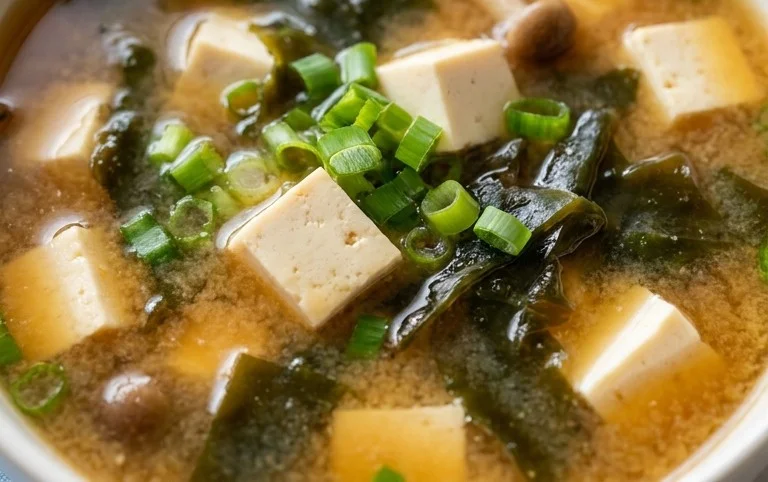
Enjoying this homemade miso soup is a truly rewarding experience. It’s more than just a meal; it’s a moment of calm and nourishment. The subtle umami of the dashi, the slightly chewy texture of the seaweed, the soft embrace of the tofu, and the rich, savory depth of the miso combine to create a harmonious and deeply satisfying dish. This recipe provides a fantastic foundation, and as you become more comfortable, you can experiment with adding other ingredients like mushrooms, spinach, or different types of tofu. But for now, savor the simplicity and deliciousness of this classic miso soup.
Conclusion:
Embarking on the journey to make your own Miso Soup is incredibly rewarding and surprisingly simple. This recipe offers a truly authentic and deeply satisfying experience, far surpassing any instant packets you might find. The beauty of this Miso Soup lies in its versatility and the comforting umami flavor that warms you from the inside out. It’s a perfect light starter for any meal, a nourishing midday snack, or even a light supper when paired with a few extra ingredients.
I encourage you to try this Miso Soup recipe and discover its delicious simplicity for yourself! Feel free to experiment with different additions like silken tofu cubes, thinly sliced shiitake mushrooms, or even some vibrant spinach. Serve it piping hot in your favorite ramen bowls for an authentic presentation.
Frequently Asked Questions:
What is the best type of miso paste to use?
For a classic Miso Soup, white miso paste (shiro miso) is often recommended for its milder, slightly sweet flavor. However, red miso (aka miso) offers a bolder, more robust taste, and a blend of both can create a wonderfully complex depth of flavor. Don’t be afraid to experiment to find your favorite!
Can I add other vegetables to my Miso Soup?
Absolutely! This Miso Soup is a fantastic canvas for other ingredients. Consider adding thinly sliced daikon radish, bok choy, or even some edamame for added texture and nutrients. Just be sure to add them at the appropriate time so they cook through but don’t become mushy.
How long does Miso Soup last?
Miso Soup is best enjoyed fresh, as the flavor and aroma can diminish over time. However, leftovers can be stored in an airtight container in the refrigerator for 1-2 days. Reheat gently on the stovetop, being careful not to boil, as this can affect the delicate flavor of the miso.
Miso Soup Recipe
A simple and comforting classic Japanese miso soup, made with dashi, tofu, seaweed, and miso paste. Easily customizable.
Ingredients
-
2½ cups Dashi
-
1 heaping tablespoon dried seaweed
-
4 oz silken tofu, cut into small pieces
-
2-2½ tablespoons miso paste, or to taste
-
1 tablespoon scallion, chopped
Instructions
-
Step 1
Gently heat the dashi in a saucepan over medium heat. Do not boil. -
Step 2
Add the dried seaweed to the dashi and let it rehydrate for a few minutes. -
Step 3
Once the seaweed is rehydrated, reduce the heat to low. -
Step 4
In a small bowl, whisk the miso paste with a ladleful of the warm dashi until smooth. -
Step 5
Stir the dissolved miso paste mixture back into the saucepan. Do not let the soup boil after adding the miso, as this can affect its flavor and nutritional value. -
Step 6
Gently add the silken tofu pieces to the soup and allow them to warm through for 1-2 minutes. -
Step 7
Ladle the miso soup into bowls and garnish with chopped scallions before serving.
Important Information
Nutrition Facts (Per Serving)
It is important to consider this information as approximate and not to use it as definitive health advice.
Allergy Information
Please check ingredients for potential allergens and consult a health professional if in doubt.