
Copycat Heinz Ketchup Recipe- Easy Homemade Ketchup
Canned Ketchup Recipe (Heinz Copycat): Have you ever found yourself staring into your pantry, a burger or fries beggin extractg for that familiar crimson sauce, only to discover the bottle is bone dry? It’s a culinary crisis many of us have faced! That’s precisely why mastering a homemade canned ketchup recipe, a perfect Heinz copycat, is such a game-changer. We all have a soft spot for the classic, the tangy, the slightly sweet embrace that ketchup brings to almost everything. It’s not just a condiment; it’s a childhood memory, a picnic staple, a burger’s best friend. What makes this particular canned ketchup recipe so special is its uncanny ability to mimic the beloved origin extractal, delivering that iconic flavor profile with ingredients you likely already have on hand. Forget the store shelves for a moment and get ready to create your own little jars of joy!
Why You’ll Love This Canned Ketchup Recipe
The Ultimate Heinz Copycat
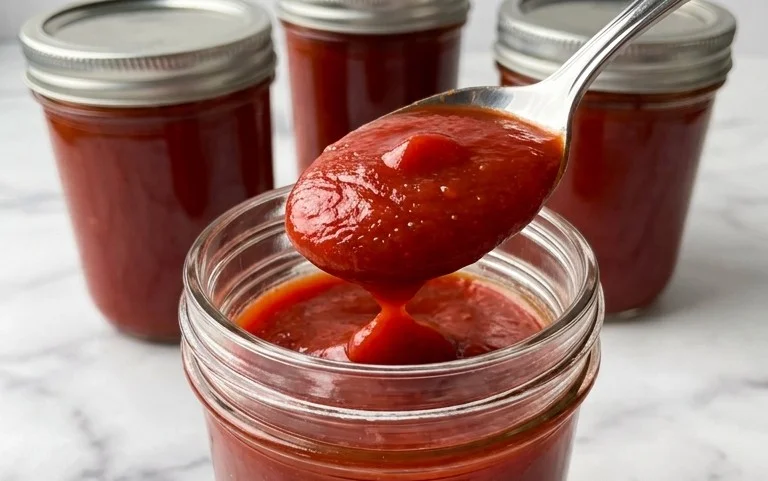
Canned Ketchup Recipe (Heinz Copycat)
There’s something undeniably comforting about a classic bottle of ketchup. It’s the perfect companion to fries, burgers, and a million other dishes. While store-bought versions are convenient, have you ever wondered if you could recreate that iconic flavor at home? Well, I’m here to tell you that you absolutely can! This recipe is designed to be your very own Heinz copycat, bringin extractg that familiar tang and sweetness right to your pantry. We’re going to use real, whole ingredients, which means you’ll be in control of exactly what goes into your ketchup. Forget high-fructose corn syrup and artificial flavors; this homemade version is the real deal.
Making ketchup from scratch might sound daunting, but it’s surprisingly straightforward. The key is to start with good quality tomatoes, and this recipe uses a generous amount of tomato juice, which we’ll achieve from about 22 pounds of fresh tomatoes. This ensures a rich, tomato-forward base that forms the soul of our ketchup. We’ll then build on that with a carefully balanced blend of vinegar for that characteristic tang, sugar for sweetness, and a thoughtful mix of spices to replicate that complex, subtly spiced flavor profile that makes Heinz so beloved. And for that perfect, thick ketchup consistency that clings beautifully to your food? We’ve got a secret ingredient that will make all the difference.
This recipe yields a substantial batch, perfect for canning and stocking your pantry for months to come. Imagin extracte the satisfaction of pulling out a jar of your own homemade ketchup, knowing you made it with love and quality ingredients. It’s a project that’s well worth the effort, and the taste will speak for itself. Let’s get started on creating your new favorite pantry staple!
Ingredients:
Cooking Instructions
Phase 1: Preparing the Tomato Base
Before we begin extract the actual cooking process, it’s crucial to get your tomato juice ready. If you’re starting with fresh tomatoes, you’ll need to wash them thoroughly, core them, and then process them to extract the juice. You can do this by running them through a food mill or a high-powered blender and then straining the pulp through a fine-mesh sieve or cheesecloth. The goal is to get as much pure juice as possible without too much pulp. This 7 quarts of tomato juice will form the foundation of your ketchup. If you’re using store-bought tomato juice, ensure it’s 100% juice with no added salt or sugar for the best control over your final flavor.
Phase 2: Simmering and Spicing
1. In a very large, heavy-bottomed pot or Dutch oven, combine the 7 quarts of tomato juice, 4 cups of white distilled vinegar, 3 cups of sugar, and 5 tablespoons of salt. Stir everything together well until the sugar and salt have dissolved as much as possible.
2. Add the 1 tablespoon of onion powder, 1/2 teaspoon of cinnamon, 1/2 teaspoon of ground cloves, 1/2 teaspoon of all-spice, and 1/2 teaspoon of cayenne pepper to the pot. Whisk these spices into the liquid, ensuring they are evenly distributed. The combination of these warm spices is what gives our ketchup its characteristic depth and subtle warmth, reminiscent of the beloved commercial brands. Don’t be tempted to skip any of these; they all play a vital role in achieving that authentic flavor profile.
3. Bring the mixture to a gentle boil over medium-high heat, stirring occasionally. Once it reaches a boil, reduce the heat to low, cover the pot loosely (leaving a small gap for steam to escape), and let it simmer. This simmering phase is where the magic happens. The flavors will begin extract to meld and deepen. Allow the mixture to simmer for at least 1 hour, or until it has reduced slightly and the flavors have had a chance to concentrate. Stir every 15-20 minutes to prevent sticking.
Phase 3: Thickening and Finishing
1. After the initial simmering period, stir in the 46 oz can of tomato paste. This will deepen the tomato flavor significantly and begin extract the process of thickening your ketchup. Stir vigorously until the tomato paste is completely incorporated into the tomato mixture. Continue to simmer, uncovered, for another 1 hour, stirring more frequently now as the mixture will start to thicken and has a greater tendency to stick to the bottom of the pot. You’ll notice the color becoming richer and the consistency becoming more sauce-like.
2. Now it’s time to thicken the ketchup to that perfect, spreadable consistency. In a small bowl, whisk together the 1/3 cup of Thermflo (make sure it’s heaping for maximum thickening power) with about 1/2 cup of the hot ketchup mixture from the pot. Whisk vigorously until you have a smooth, lump-free paste. Gradually add this Thermflo slurry back into the main pot of ketchup, stirring continuously. Thermflo is a modified food starch that acts as an excellent thickening agent and gives ketchup that signature smooth, glossy texture. It’s crucial to add it gradually and stir constantly to avoid lumps and ensure even thickening.
3. Continue to cook the ketchup over low heat, stirring constantly, for another 15-20 minutes. You’ll see it transform into a thick, rich, and glossy sauce. The Thermflo will activate and bind the liquid, creating that familiar ketchup consistency. Be patient during this stage; the longer it simmers and thickens, the better it will be. Taste and adjust seasoning if necessary – you might want a pinch more salt or sugar to suit your preference, though this recipe is carefully balanced.
Phase 4: Canning Your Ketchup
Once your ketchup has reached your desired thickness and the flavors are perfectly melded, it’s time for canning. Ladle the hot ketchup into sterilized canning jars, leaving about 1/4 inch of headspace. Wipe the rims of the jars clean with a damp cloth to ensure a good seal. Place the lids on the jars and screw the bands on fingertip tight. Process the jars in a boiling water bath canner according to the manufacturer’s instructions for your altitude and jar size (typically 15-20 minutes for pint jars). This boiling water bath ensures that your ketchup is safely preserved and ready for long-term storage. Once processed, carefully remove the jars from the canner and let them cool undisturbed on a wire rack for 12-24 hours. You should hear the satisfying “ping” of the lids sealing as they cool. Store your canned ketchup in a cool, dark place. Homemade ketchup will typically last for at least a year when properly canned. Enjoy your delicious, homemade Heinz copycat ketchup!

Conclusion:
I hope you enjoyed learning how to make your very own canned ketchup recipe that perfectly mimics the classic Heinz flavor! This recipe is fantastic because it allows you to control the ingredients, avoiding artificial preservatives and high-fructose corn syrup, all while achieving that signature tangy, slightly sweet, and rich tomato taste we all love. It’s surprisingly simple to whip up a batch, and the satisfaction of having homemade ketchup ready to go is immense. Whether you’re a burger enthusiast, a fry fanatic, or just love a good dollop of ketchup on your favorite dishes, this recipe is a game-changer. I truly encourage you to give this Heinz copycat canned ketchup a try; you won’t be disappointed!
This versatile condiment is perfect for everything from dipping to drizzling. Serve it alongside your favorite grilled meats, crispy fries, onion rings, or even use it as a base for barbecue sauces and marinades. Feeling adventurous? You can easily customize this recipe! Try adding a pinch of smoked paprika for a smoky undertone, a dash of cayenne pepper for a little heat, or even a splash of Worcestershire sauce for added depth of flavor. The possibilities are truly endless!
Frequently Asked Questions:
Q: How long will this homemade canned ketchup last?
A: Properly canned, this homemade ketchup should last for at least a year, if not longer, when stored in a cool, dark place. Once opened, refrigerate it and consume within a few weeks for optimal freshness.
Q: Can I use fresh tomatoes instead of canned tomatoes for this recipe?
A: Absolutely! While the recipe calls for canned tomatoes for convenience and a consistent base, you can certainly use fresh, ripe tomatoes. You’ll likely need to adjust the cooking time to allow the tomatoes to break down and thicken sufficiently. Aim for about 2-3 pounds of fresh, ripe tomatoes, cored and roughly chopped.
Q: What if I don’t have canning equipment? Can I still make this recipe?
A: Yes! If you don’t have canning equipment, you can simply make a smaller batch and store it in clean jars in the refrigerator. It will still be delicious and a great way to enjoy your homemade Heinz copycat ketchup without the canning process. Just be mindful of the shorter shelf life.
Canned Ketchup Recipe (Heinz Copycat)
A homemade ketchup recipe designed to mimic the classic Heinz flavor profile, perfect for canning and long-term storage.
Ingredients
-
7 quarts tomato juice
-
4 cups white distilled vinegar
-
3 cups sugar
-
5 Tbsp salt
-
1 Tbsp onion powder
-
1/2 tsp cinnamon
-
1/2 tsp ground cloves
-
1/2 tsp all-spice
-
1/2 tsp cayenne pepper
-
46 oz tomato paste
-
1/3 cup Thermflo
Instructions
-
Step 1
In a large stockpot, combine tomato juice, white distilled vinegar, sugar, salt, onion powder, cinnamon, ground cloves, all-spice, and cayenne pepper. Stir to combine. -
Step 2
Add the tomato paste to the pot and stir until it is fully incorporated into the liquid mixture. -
Step 3
Bring the mixture to a boil over medium-high heat, then reduce the heat to low and simmer, uncovered, for at least 1 hour, stirring occasionally. -
Step 4
In a small bowl, whisk the Thermflo with a little bit of the hot ketchup mixture until smooth. This is your slurry. Slowly add the slurry to the simmering ketchup, stirring constantly. -
Step 5
Continue to simmer the ketchup for another 30 minutes, stirring frequently, until it has thickened to your desired consistency. It will thicken more as it cools. -
Step 6
Ladle the hot ketchup into sterilized jars, leaving 1/2 inch headspace. Wipe rims clean, apply lids and bands. Process in a boiling water bath for 10 minutes (adjusting for altitude).
Important Information
Nutrition Facts (Per Serving)
It is important to consider this information as approximate and not to use it as definitive health advice.
Allergy Information
Please check ingredients for potential allergens and consult a health professional if in doubt.