Healthy Sautéed Vegetables Quick Flavorful Side
Healthy sautéed vegetables are the unsung heroes of a balanced meal. Are you tired of bland, boring sides that leave you feeling uninspired? I certainly was! That’s why I’m so excited to share this incredibly versatile and utterly delicious recipe for healthy sautéed vegetables. What makes this dish so special? It’s the perfect trifecta: lightning-fast to prepare, bursting with vibrant flavors, and packed with all the nutrients your body craves. This isn’t just about ticking the ‘eat your veggies’ box; it’s about genuinely enjoying them. The simple act of sautéing brings out the natural sweetness of the vegetables, while a few key seasonings elevate them to a whole new level. You’ll find yourself reaching for this go-to side dish again and again, whether you’re whipping up a weeknight dinner or impressing guests with a healthy yet elegant accompaniment.
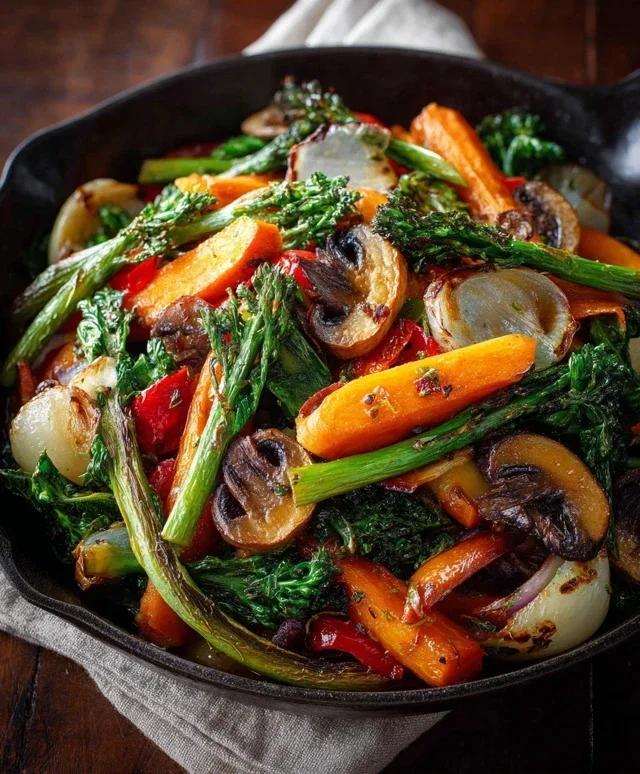
Healthy Sautéed Vegetables – Quick, Flavorful & Nutritious Side
Looking for a way to add a burst of vibrant flavor and essential nutrients to your meals without spending hours in the kitchen? My healthy sautéed vegetables are the perfect solution! This versatile dish is incredibly quick to prepare, bursting with fresh taste, and packed with goodness. It’s the ideal accompaniment to almost any main course, from grilled chicken or fish to hearty lentil stews. The beauty of this recipe lies in its simplicity and adaptability. You can easily swap out vegetables based on what’s in season or what you have on hand. The key is to cook them until they are tender-crisp, retaining their natural textures and vibrant colors. Let’s get started!
Ingredients:
Preparing Your Vegetables
Before we dive into the sautéing process, let’s make sure all our ingredients are prepped and ready. This will ensure a smooth and efficient cooking experience.
1. Wash and Prepare: Thoroughly wash all your vegetables under cool running water. For the bell pepper, remove the stem, seeds, and membranes, then slice it into thin strips. Slice the zucchini into attractive half-moons, about ¼ inch thick. Cut the broccoli into bite-sized florets. For the carrot, you can either julienne it (cut into long, thin matchsticks) or slice it thinly into rounds or ovals, depending on your preference. Trim the ends off the snap peas and slice the mushrooms into manageable pieces. Mince your garlic cloves finely. Thinly slice the small onion, aiming for consistent pieces so they cook evenly. Having all your vegetables prepped and within easy reach before you start heating the pan is crucial for a successful sauté. This way, you can add them to the pan as needed without interrupting the cooking process.
Sautéing the Vegetables
Now for the fun part – bringin extractg these beautiful ingredients together with heat and flavor!
1. Heating the Pan and Aromatics: Place a large skillet or wok over medium-high heat. Once the pan is hot (you can test this by flicking a tiny drop of water, which should sizzle and evaporate quickly), add your chosen cooking fat – 2 tablespoons of olive oil, avocado oil, or even a knob of butter. Allow the oil to heat up until it shimmers but doesn’t smoke. Add the minced garlic and thinly sliced onion to the hot oil. Stir them frequently, allowing them to soften and become fragrant. This usually takes about 1-2 minutes. Be careful not to burn the garlic, as it can turn bitter. The goal here is to gently infuse the oil with their delicious aromas.
2. Adding the Heartier Vegetables: Once the onions are slightly translucent and the garlic is fragrant, it’s time to add the vegetables that require a bit more cooking time to become tender-crisp. Add the sliced bell pepper, broccoli florets, and julienned or sliced carrots to the skillet. Stir everything together to coat the vegetables with the fragrant oil. Let them sauté for about 3-4 minutes, stirring occasionally, allowing them to begin extract softening and to get a slight sear. This initial sauté helps to build layers of flavor and ensures that these firmer vegetables aren’t undercooked when the quicker-cooking ones are added.
3. Incorporating the Softer Vegetables: Now, we’ll add the vegetables that cook more quickly. Add the sliced zucchini and snap peas to the pan. Continue to stir and sauté for another 3-4 minutes. The zucchini will start to soften, and the snap peas will turn a vibrant green. At this stage, you can also add the sliced mushrooms. Mushrooms absorb flavors beautifully and cook down relatively quickly. Keep stirring everything together, ensuring an even cooking process for all the vegetables. The goal is to achieve a texture that is tender but still has a slight bite, a delightful contrast to mushy, overcooked vegetables.
4. Seasoning and Finishing Touches: Once all the vegetables are tender-crisp and vibrantly colored, it’s time to season them to perfection. Season generously with salt and freshly ground black pepper to taste. Don’t be shy with the seasoning; it truly elevates the natural flavors of the vegetables. If you like, you can add a teaspoon of lemon juice for a bright, zesty finish, or a teaspoon of balsamic vinegar or soy sauce for a touch of umami and depth. Stir well to distribute the seasonings evenly. This step really brings the dish together and makes it sing.
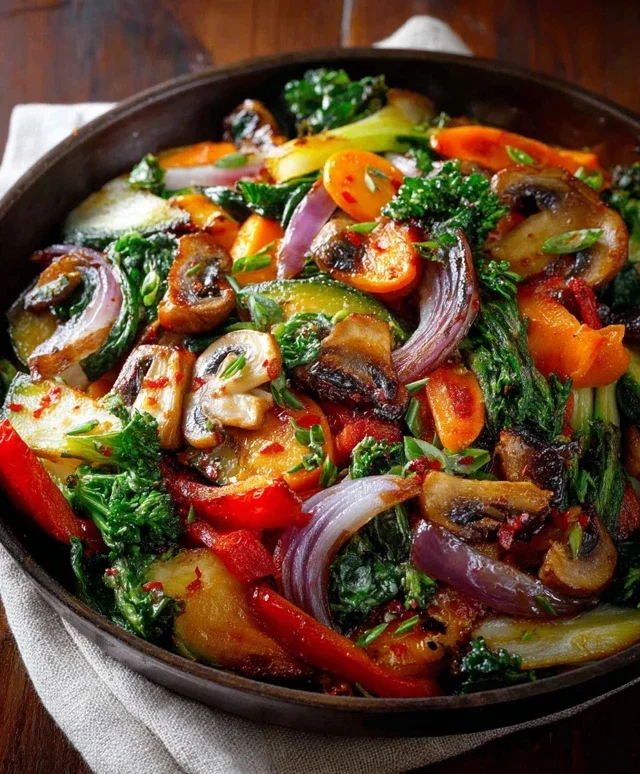
5. Final Sauté and Serving: Give everything a final stir and let it sauté for just another minute or two to allow the flavors to meld beautifully. The entire sautéing process should take around 8-12 minutes, depending on the heat of your pan and how tender you prefer your vegetables. Serve immediately as a vibrant and healthy side dish. For an extra touch of flavor and texture, consider adding your favorite optional toppings, such as a sprinkle of toasted nuts or seeds for crunch, some fresh chopped herbs like parsley or chives for freshness, or a dusting of grated Parmesan cheese for a savory note. Enjoy your delicious and nourishing creation!
Conclusion:
And there you have it! This recipe for healthy sautéed vegetables is a fantastic way to add a burst of flavor and a powerful nutritional punch to any meal. It’s incredibly versatile, remarkably quick to prepare, and a truly satisfying way to enjoy your greens and other colorful veggies. The beauty of this dish lies in its simplicity and adaptability. Whether you’re looking for a light and fresh side to complement grilled chicken or a more robust addition to a hearty stew, these sautéed vegetables deliver. Don’t be afraid to get creative with your vegetable choices and seasonings – the possibilities are endless!
I truly encourage you to give this recipe a try. You’ll be amazed at how something so simple can be so incredibly delicious and beneficial for your well-being. It’s a staple in my kitchen, and I’m confident it will become one in yours too!
Frequently Asked Questions:
Q1: What are the best vegetables to use for sautéing?
Almost any vegetable works wonderfully! I love a mix of broccoli florets, bell peppers (all colors!), zucchini, snap peas, and mushrooms. Carrots, asparagus, green beans, and even thinly sliced onions are also excellent choices. Aim for a variety of textures and colors for the most visually appealing and nutrient-dense dish.
Q2: Can I add protein to this dish?
Absolutely! For a complete meal, consider adding pre-cooked chicken strips, shrimp, tofu, or even chickpeas towards the end of the sautéing process. Just ensure they are heated through before serving.
Q3: How can I make these healthy sautéed vegetables spicier?
For a touch of heat, add a pinch of red pepper flakes along with your other seasonings, or finely mince a fresh chili pepper (like a jalapeño or serrano) and sauté it with the garlic and onions. A drizzle of sriracha or your favorite hot sauce at the end is also a great option.
Healthy Sautéed Vegetables – Quick, Flavorful & Nutritious Side
A vibrant and quick sautéed vegetable dish, perfect as a healthy and flavorful side. Easily customizable with your favorite vegetables and seasonings.
Ingredients
-
2 tbsp olive oil
-
2 cloves garlic, minced
-
1 small onion, thinly sliced
-
1 bell pepper, sliced
-
1 zucchini, sliced into half-moons
-
1 cup broccoli florets
-
1 medium carrot, julienned or sliced thin
-
½ cup snap peas
-
½ cup mushrooms, sliced
-
Salt and black pepper, to taste
-
1 tsp lemon juice (optional)
-
1 tsp balsamic vinegar
Instructions
-
Step 1
Heat olive oil in a large skillet or wok over medium-high heat. -
Step 2
Add minced garlic and thinly sliced onion. Sauté for 1-2 minutes until fragrant and slightly softened. -
Step 3
Add sliced bell pepper, zucchini, broccoli florets, julienned carrot, snap peas, and sliced mushrooms to the skillet. -
Step 4
Stir-fry vegetables for 8-10 minutes, or until they are tender-crisp. Avoid overcrowding the pan; cook in batches if necessary. -
Step 5
Season with salt and black pepper to taste. -
Step 6
Stir in optional lemon juice and balsamic vinegar for added flavor. Toss to combine.
Important Information
Nutrition Facts (Per Serving)
It is important to consider this information as approximate and not to use it as definitive health advice.
Allergy Information
Please check ingredients for potential allergens and consult a health professional if in doubt.