Best Chimichurri Sauce Recipe – Easy Flavor Boost
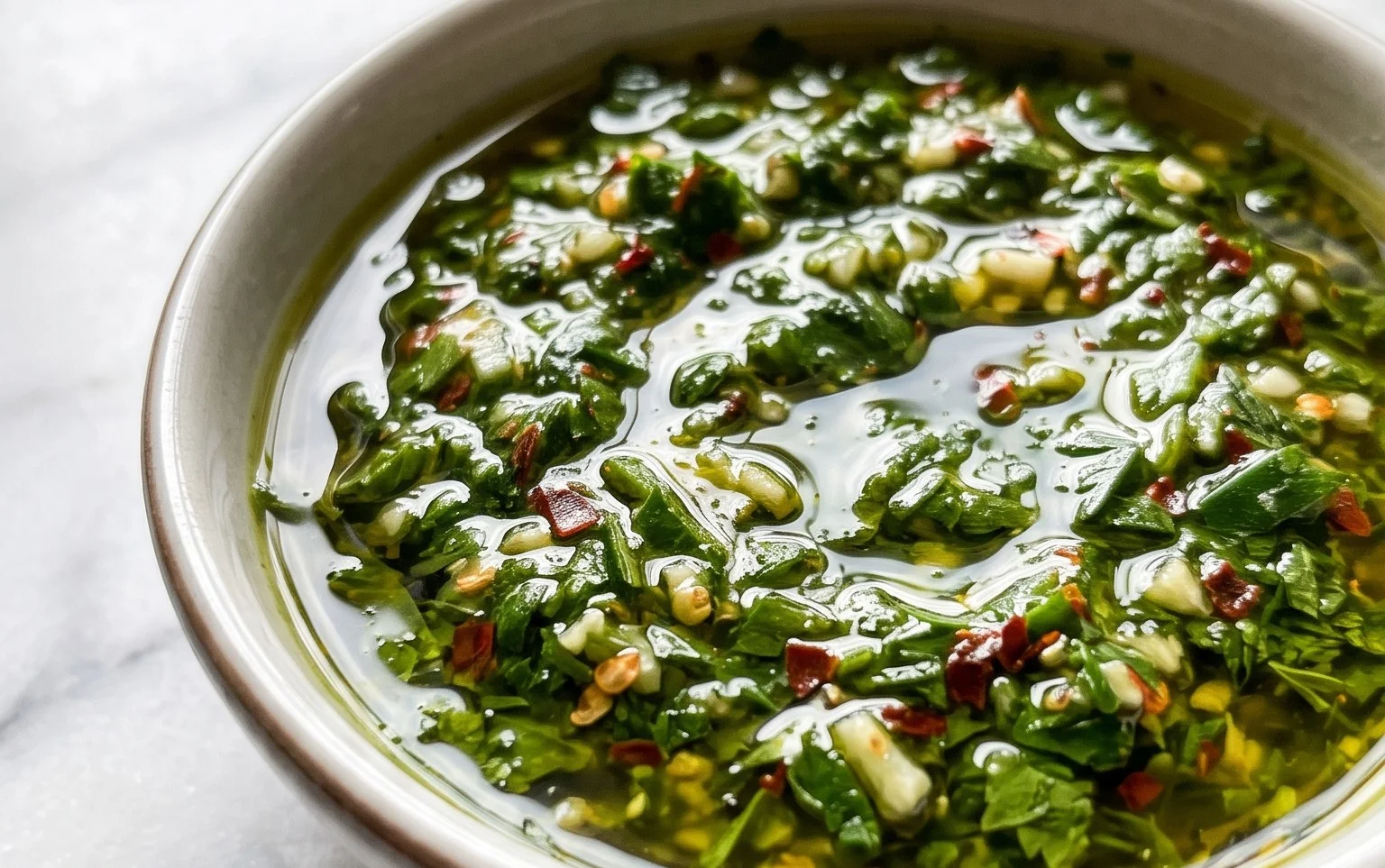
Chimichurri sauce isn’t just a condiment; it’s an experience. If you’ve ever grilled a steak in Argentina or dined at a Latin American-inspired restaurant, chances are you’ve encountered this vibrant, herbaceous elixir. Its bright, zesty flavor profile is the secret weapon behind countless perfectly grilled meats, roasted vegetables, and even humble sandwiches. What makes this Argentinian classic so universally adored? It’s the incredible balance of fresh parsley and oregano, the piquant kick of garlic and chili, and the smooth richness of olive oil, all brought together with a touch of tang from red grape juice vinegar. This isn’t your average bottled sauce; the magic of homemade chimichurri sauce lies in its incredible freshness and the ability to customize it to your exact preferences. It’s so easy to make, you’ll wonder why you ever bought it pre-made!
Ingredients:
Chimichurri: The Vibrant Green Sauce That Will Revolutionize Your Grilling
There are some sauces that just elevate a dish from good to absolutely spectacular. Chimichurri is one of those sauces. Origin extractating from Argentina and Uruguay, this bright, herbaceous, and slightly zesty condiment is traditionally served with grilled meats, particularly steak. But trust me, its versatility extends far beyond the barbecue. I love spooning it over roasted vegetables, drizzling it on grilled fish, using it as a marinade, or even as a vibrant dressing for a grain bowl. The key to a truly exceptional chimichurri is fresh, high-quality ingredients, and a good balance of flavors. It’s incredibly simple to make, and once you taste the difference homemade makes, you’ll never go back to store-bought. This recipe is my go-to, offering a perfect blend of fresh herbs, a touch of heat, and a delightful tang. Let’s get started!
Preparing Your Fresh Herbs
The foundation of any great chimichurri is its herb base. For this recipe, we’re focusing on fresh parsley, cilantro, and oregano. It’s crucial to use fresh herbs for the best flavor and texture. When measuring your parsley, pack it down firmly into the cup. This ensures you get a good amount of herb without it being too airy. If you’re using dried oregano, make sure it’s relatively fresh itself – old dried herbs lose their potency. Thoroughly wash and dry all your fresh herbs. Any excess water can dilute the flavor and affect the consistency of your sauce. A salad spinner is your best friend here for drying herbs quickly and efficiently. Once dry, I like to give them a rough chop before moving on to the next step. This makes them easier to process in the food processor or when mincing by hand.
Building the Flavor Base
Next, we address the aromatics: the onion and garlic. The recipe calls for a quarter of a small red onion or a small shallot. I prefer red onion for its slightly sharper bite, but a shallot offers a more delicate, sweet onion flavor if that’s more your preference. Finely mince your chosen onion or shallot. The smaller you mince it, the more evenly it will distribute throughout the sauce. For the garlic, three cloves are a good starting point. You can always add more if you’re a garlic lover! Smash the garlic cloves with the flat side of your knife and then mince them very finely. Again, small pieces are key for a smooth sauce.
The Magic Happens: Chopping and Blending
Now it’s time to bring everything together. You have two main methods for preparing your chimichurri: using a food processor or finely mincing everything by hand.
Using a Food Processor (The Quickest Route)
If you’re short on time or prefer a slightly smoother consistency, a food processor is ideal.
First, add your chopped parsley, cilantro, oregano, minced red onion (or shallot), and minced garlic to the bowl of your food processor.
Pulse the ingredients a few times to break them down. Don’t over-process at this stage; you don’t want a paste.
Next, add the red grape juice vinegar, fresh lemon juice, salt, and red pepper flakes (if using).
Pulse again until everything is well combined and the herbs and aromatics are finely chopped. Scrape down the sides of the bowl as needed to ensure everything is incorporated.
Finely Mincing by Hand (The Traditional Method)
This method requires a bit more patience but yields a wonderfully rustic texture.
On a clean cutting board, combine your chopped parsley, cilantro, oregano, minced red onion (or shallot), and minced garlic.
Begin extract to finely mince everything together. It might be helpful to do this in batches if your cutting board is small. Keep chopping until you achieve a very fine, almost mince-like texture.
Once everything is finely chopped, transfer it to a medium-sized bowl.
To the bowl, add the red grape juice vinegar, fresh lemon juice, salt, and red pepper flakes (if using). Stir thoroughly to combine.
Emulsifying for Perfection
Whether you used a food processor or chopped by hand, the final crucial step is incorporating the olive oil. This is what emulsifies the sauce, creating that beautiful, slightly thick, pourable consistency.
If using a food processor, with the processor running on low speed, slowly drizzle in the olive oil through the feed tube. Continue processing until the oil is fully incorporated and the sauce has a cohesive texture. Be careful not to over-process at this stage, as you don’t want to break down the herbs too much.
If you prepared your chimichurri by hand in a bowl, now is the time to add the olive oil. Slowly drizzle in the olive oil while stirring constantly with a whisk or a fork. Continue stirring until the oil is fully incorporated and the sauce has thickened slightly. You’re looking for a consistency that’s neither too watery nor too thick – something that will cling nicely to whatever you’re serving it with.
Taste, Adjust, and Rest
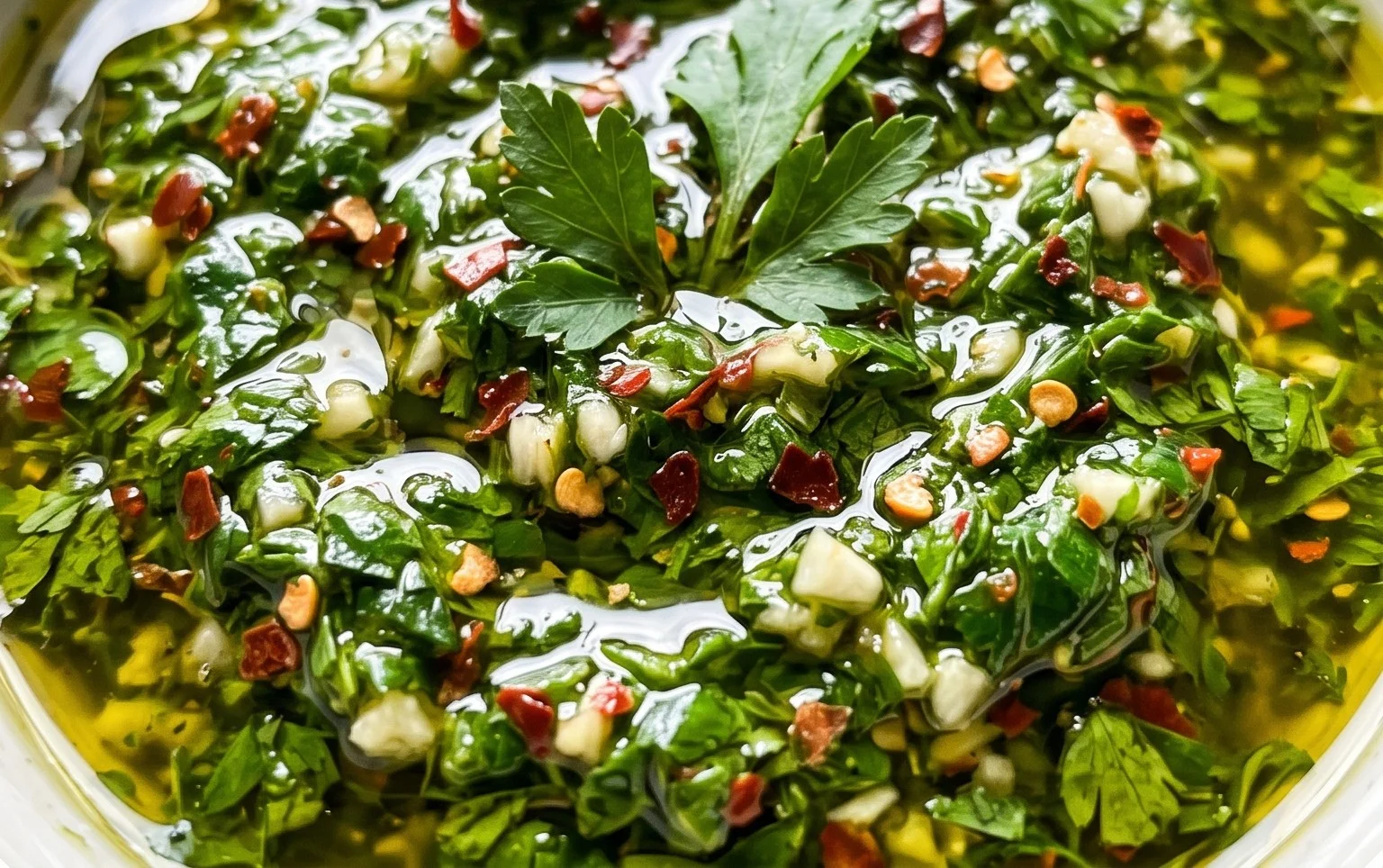
This is perhaps the most important step of all! Once your chimichurri is mixed, take a small taste. Does it need more salt? A little more acidity from the vinegar or lemon juice? More heat from the red pepper flakes? This is your chance to customize it to your exact liking. Remember that the flavors will also meld and deepen as the sauce sits. I usually let my chimichurri rest in the refrigerator for at least 30 minutes before serving. This allows all those wonderful herb and garlic notes to really infuse into the oil and vinegar base. Store any leftover chimichurri in an airtight container in the refrigerator for up to a week. The vibrant green color might darken slightly over time, but the flavor will remain delicious. Enjoy this amazing sauce on everything!
Conclusion:
I hope you’re as excited as I am to try this vibrant and versatile Chimichurri Sauce recipe! It truly elevates any dish it graces with its fresh, zesty, and herbaceous flavors. The beauty of this sauce lies in its simplicity and the incredible impact it has, transforming ordinary meals into something extraordinary. It’s perfect for marinating, drizzling, or dipping, and I promise, once you make it, you’ll find yourself reaching for it again and again.
Beyond the classic grilled meats, I encourage you to experiment! This Chimichurri Sauce is fantastic on roasted vegetables like potatoes and cauliflower, as a topping for fish or chicken, or even stirred into grain bowls for an extra punch. Don’t be afraid to adjust the herbs to your liking – more parsley or less oregano, it’s all up to you! Give this recipe a go, and I’m confident it will become a staple in your kitchen.
Frequently Asked Questions:
How long does Chimichurri Sauce last?
Freshly made Chimichurri Sauce can be stored in an airtight container in the refrigerator for up to a week. The flavors tend to meld and deepen over time, so it’s often even better on the second or third day!
Can I make Chimichurri Sauce ahead of time?
Absolutely! In fact, making it a few hours or even a day in advance allows the flavors to fully develop, resulting in a more robust and delicious sauce. Just be sure to store it properly in the refrigerator.
What if I don’t have fresh parsley or oregano?
While fresh herbs provide the best flavor, you can use dried herbs in a pinch. Use about one-third the amount of dried herbs compared to fresh. For example, if the recipe calls for 1 cup of fresh parsley, use about 1/3 cup of dried parsley. However, I highly recommend fresh for the most authentic and vibrant taste of this incredible Chimichurri Sauce.
Chimichurri Sauce
A vibrant and herbaceous Argentinian sauce perfect for grilled meats and vegetables. This version uses red grape juice vinegar for a non-alcoholic tang.
Ingredients
-
1 1/2 cups well packed (42g) fresh parsley
-
1/2 cup well packed (20g) fresh cilantro
-
1/4 cup (9g) fresh oregano
-
1/4 small red onion
-
3 garlic cloves
-
3 Tbsp red grape juice vinegar
-
2 Tbsp fresh lemon juice
-
1/2 tsp salt
-
1/4 tsp red pepper flakes
-
3/4 cup olive oil
Instructions
-
Step 1
Finely chop the fresh parsley, cilantro, and oregano. If using dried oregano, use 1 tsp. -
Step 2
Finely chop the red onion (or shallot) and mince the garlic cloves. -
Step 3
In a medium bowl, combine the chopped herbs, red onion, garlic, red grape juice vinegar, lemon juice, salt, and red pepper flakes (if using). -
Step 4
Whisk all the ingredients together until well combined. -
Step 5
Slowly drizzle in the olive oil while whisking constantly until the sauce is emulsified. -
Step 6
Taste and adjust salt and red pepper flakes as needed. For best flavor, let the sauce rest for at least 10 minutes before serving.
Important Information
Nutrition Facts (Per Serving)
It is important to consider this information as approximate and not to use it as definitive health advice.
Allergy Information
Please check ingredients for potential allergens and consult a health professional if in doubt.